Our dive sites
Discover Nuku Hiva’s signature dive sites: drop-offs, rocky boulder fields, caves and encounters with the exceptional marine life of the Marquesas.
Conditions, seasons and marine life: see Scuba diving.
La Sentinelle
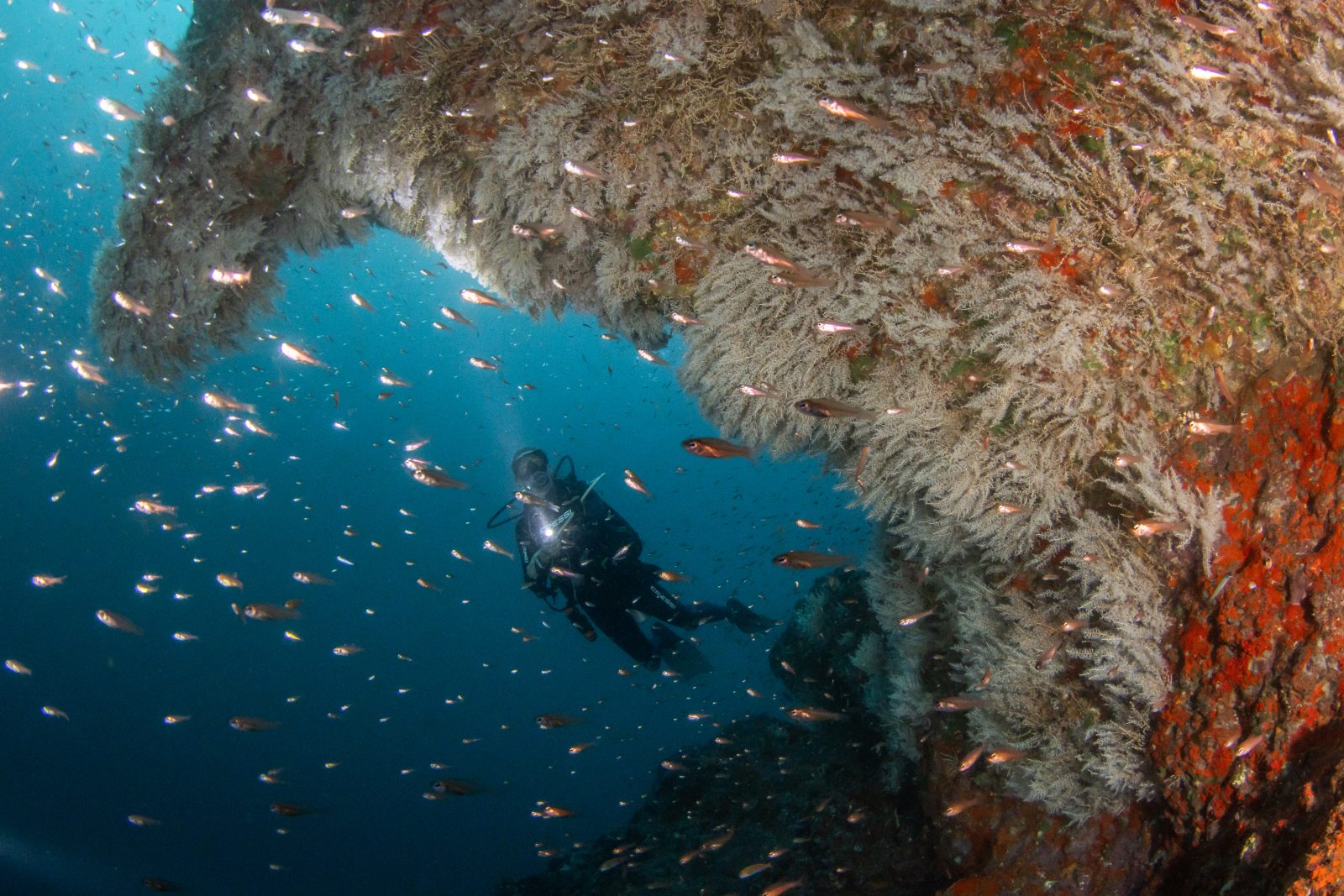
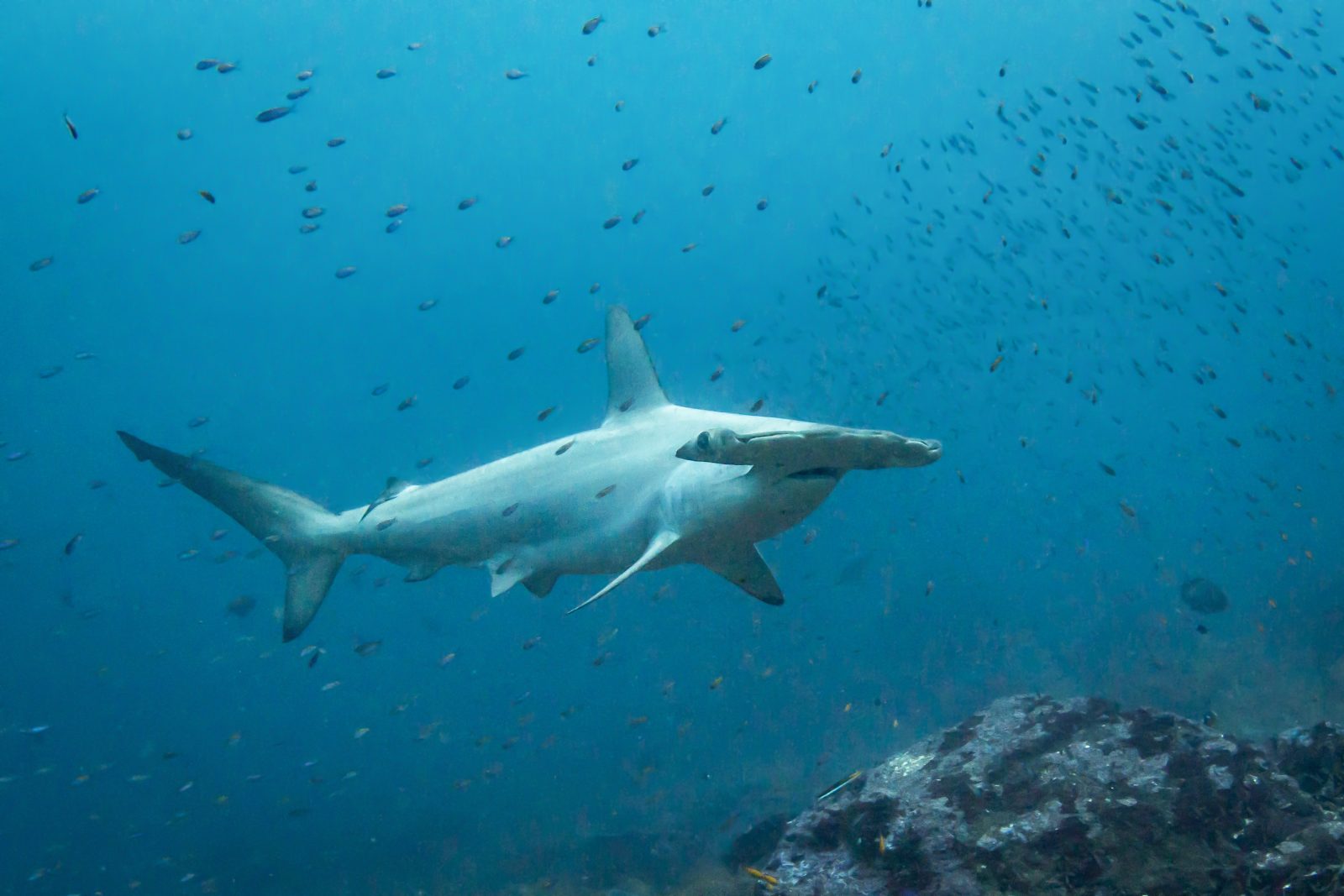
Topography & marine life: drop-offs and boulder fields, with cleaning stations visited by rays and sharks. Schools of anthias and fusiliers, and many endemic species.
Features & access: 10 minutes by boat. Sheltered all year round.
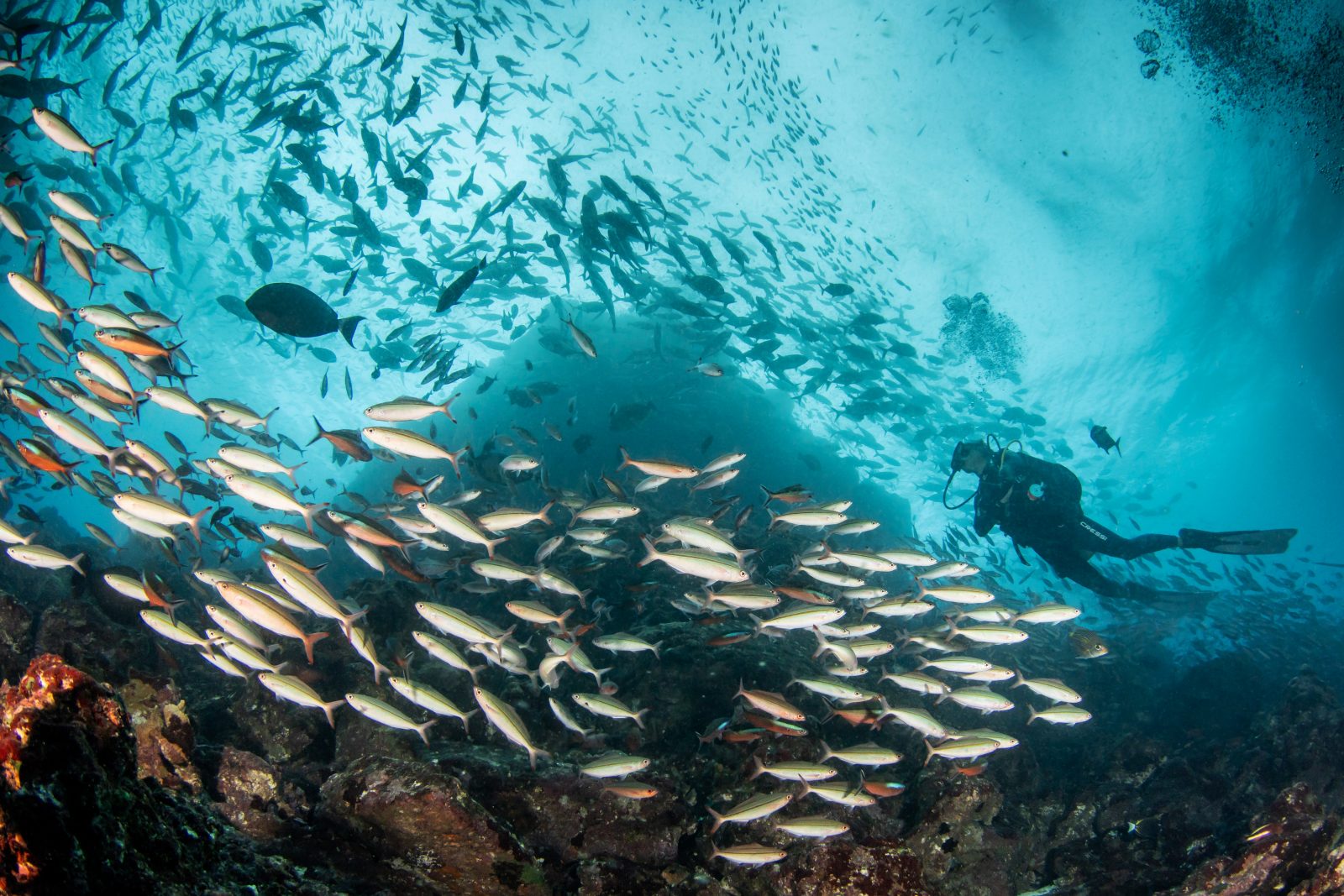
Tikapo
Topography & marine life: a spectacular setting of rocky pinnacles, with many schools of trevallies, fusiliers, triggerfish and unicornfish. The site also offers great opportunities to watch predators in action: tuna, bonitos, sharks…
Features & access: 30 minutes by boat. Negative entry and often strong current. Site and boat ride exposed to southern swell and winds.
Best time to dive it: October to March.
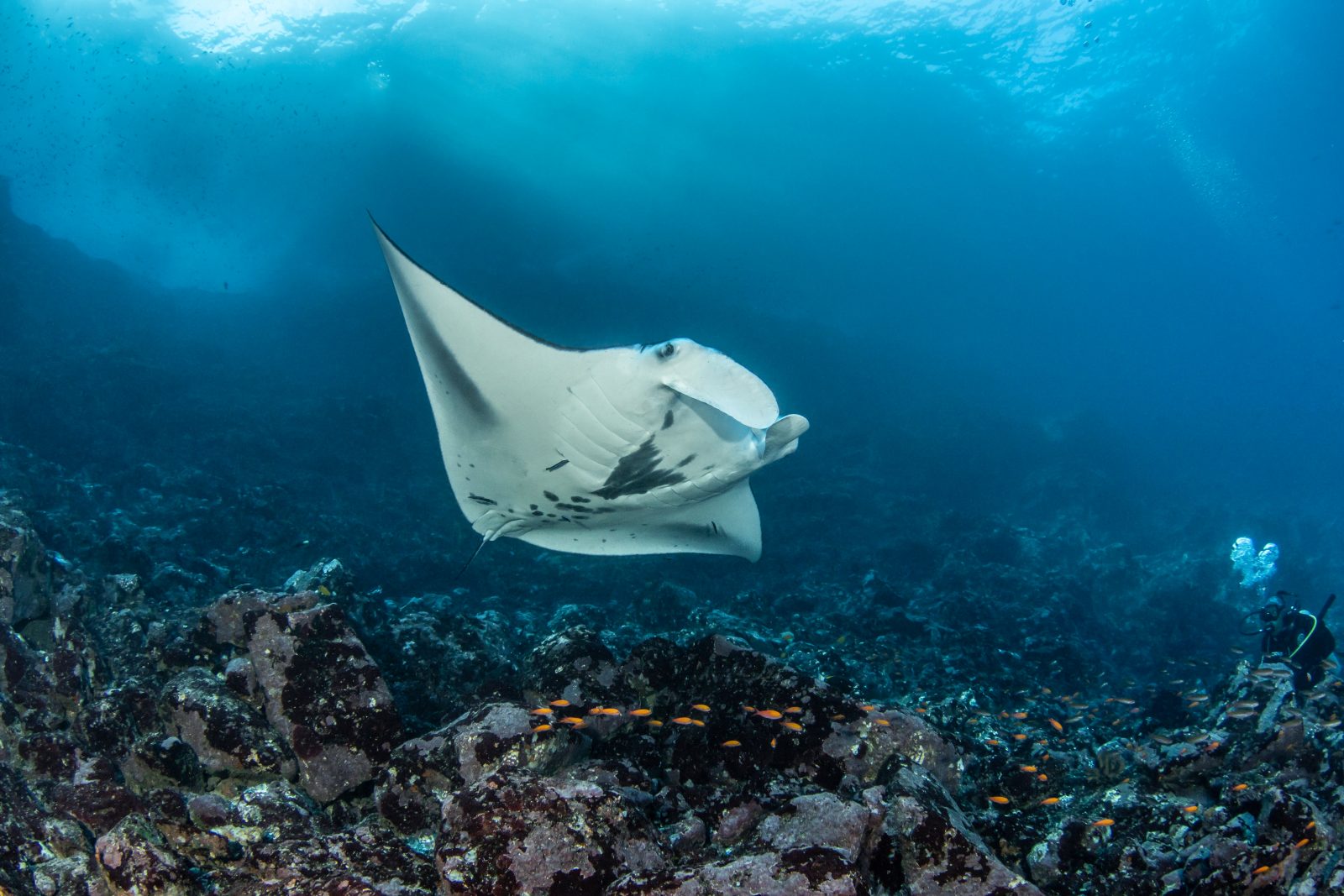
Avaika
Topography & marine life: a rocky point ideal for encounters with rays and sharks. Schools of trevallies and unicornfish, sun corals, dragon nudibranchs and many endemic species.
Features & access: 30 minutes by boat. Sheltered site, with occasional current. The boat ride can be rough when the trade winds blow hard.
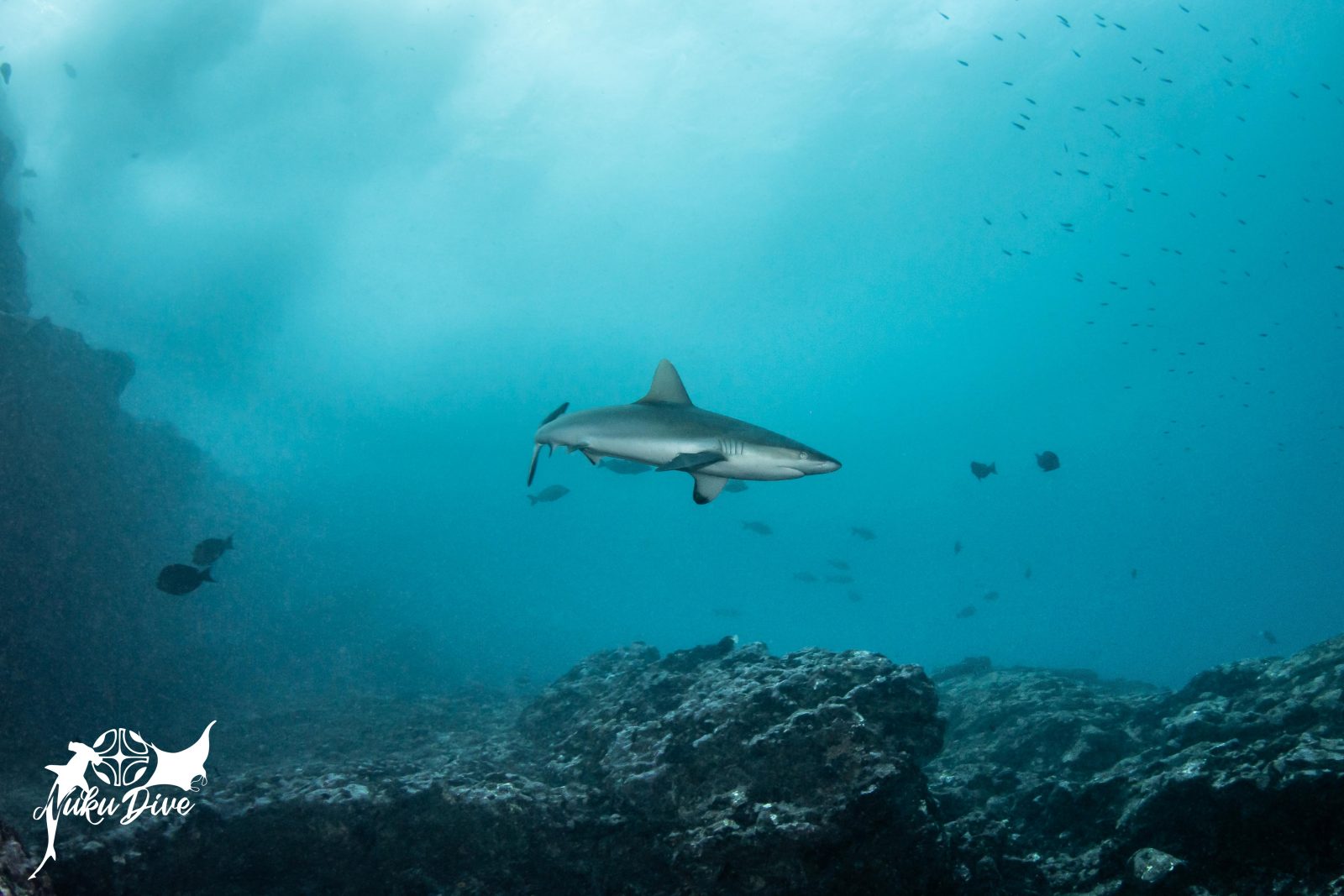
Motu Mano
Topography & marine life: a rocky boulder field with cleaning stations visited by rays and sharks. Schools of trevallies, fusiliers and triggerfish, a wide variety of morays and many endemic species.
Features & access: 30 minutes by boat. Occasional current. Site and boat ride exposed to southern swell and winds.
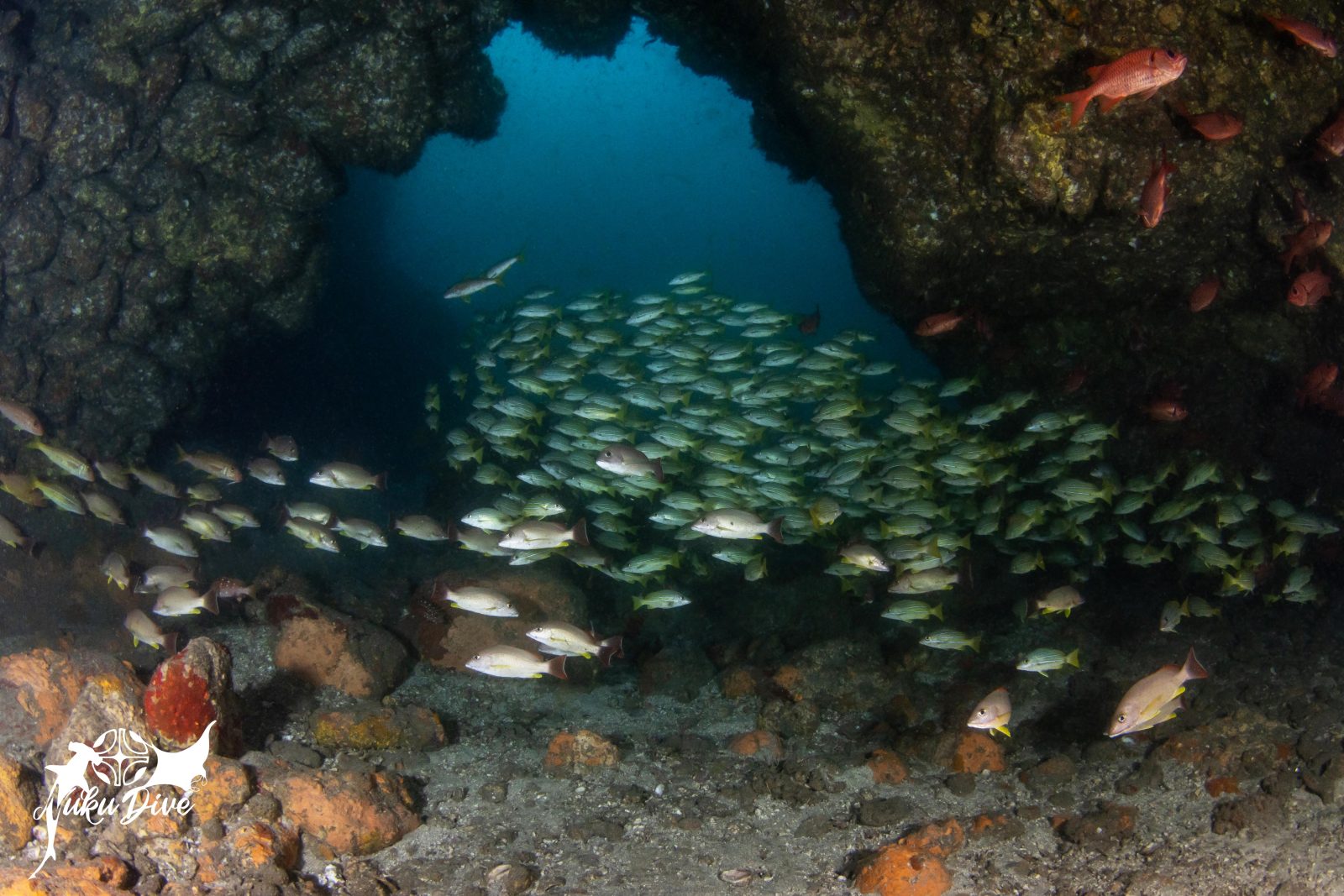
Dulcinéa
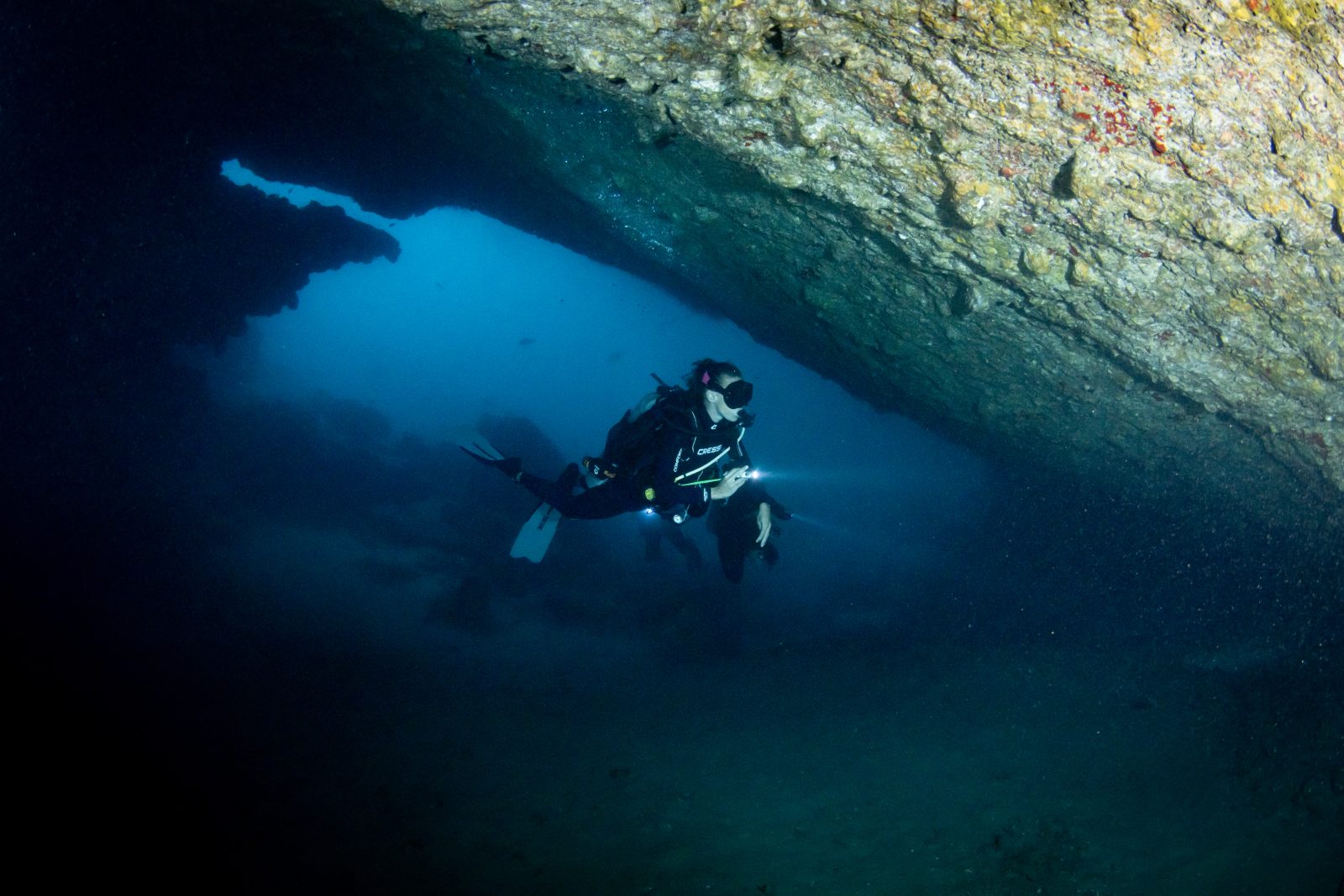
Topography & marine life: a shallow underwater tunnel, a perfect setting to observe crustaceans and shells. Schools of cardinalfish and hatchetfish.
Features & access: 15 minutes by boat. Exposed to southern swell.
Motu Nui
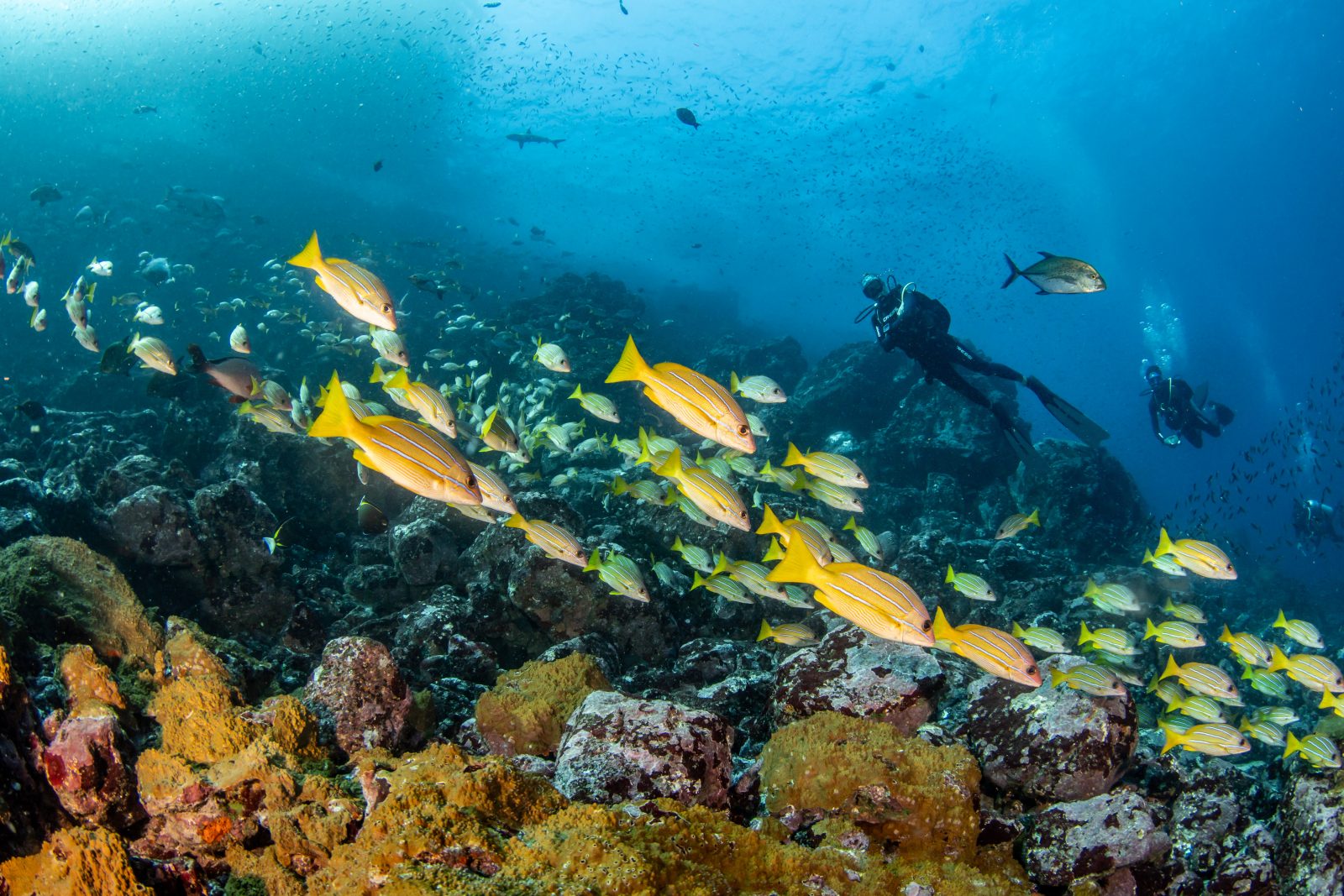
Topography & marine life: rocky blocks and boulder fields dotted with cleaning stations visited by rays. Schools of bluestripe snappers and mimic goatfish, dragon morays, slate pencil urchins and many endemic species.
Features & access: 10 minutes by boat. Sheltered all year round.
Mur de Java
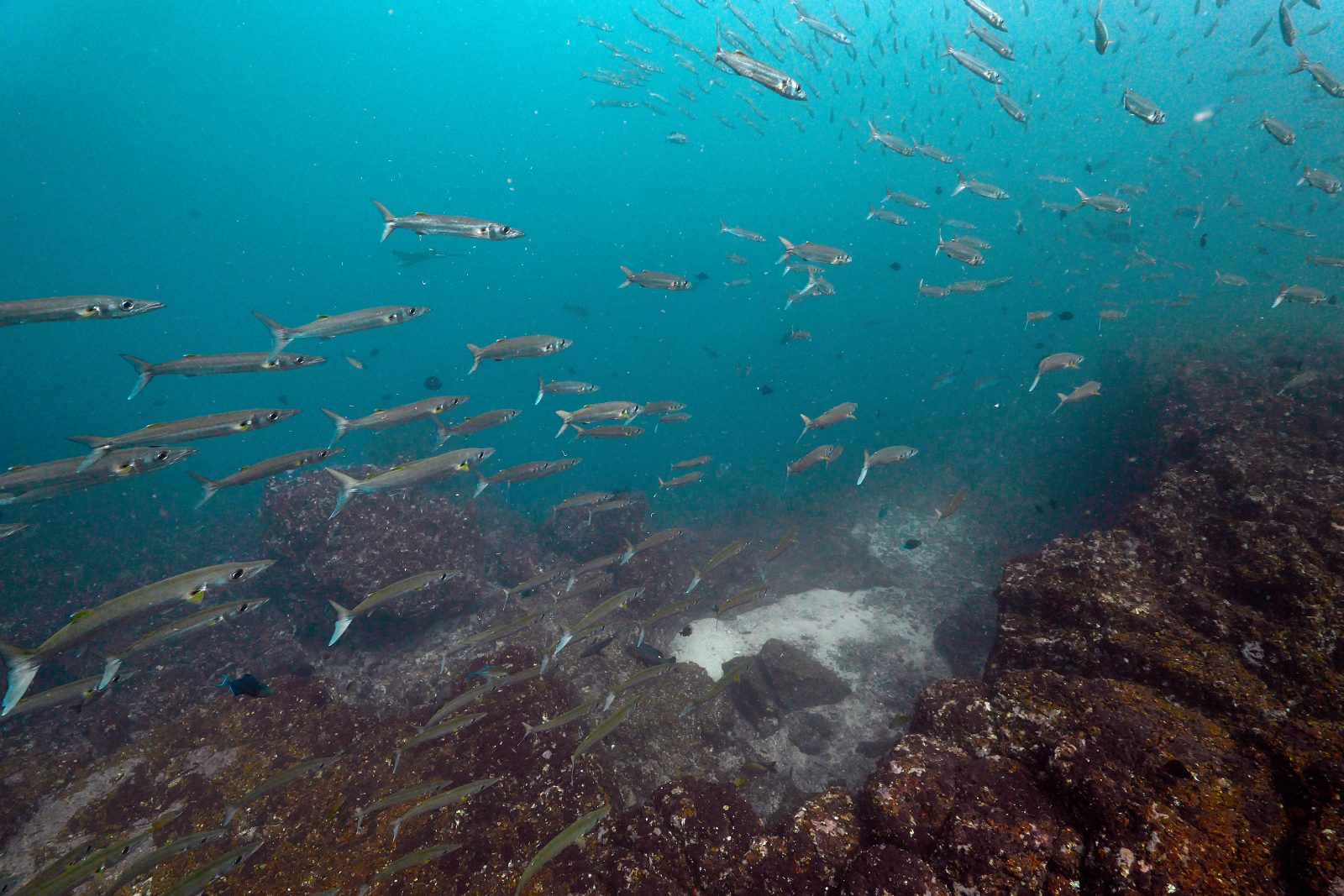
Topography & marine life: a rocky tongue and boulder field with cleaning stations visited by rays and sharks. Schools of triggerfish, trevallies and barracudas, and many endemic species.
Features & access: 30 minutes by boat. Sheltered site. The boat ride can be rough when the trade winds blow hard.
Matateteiko
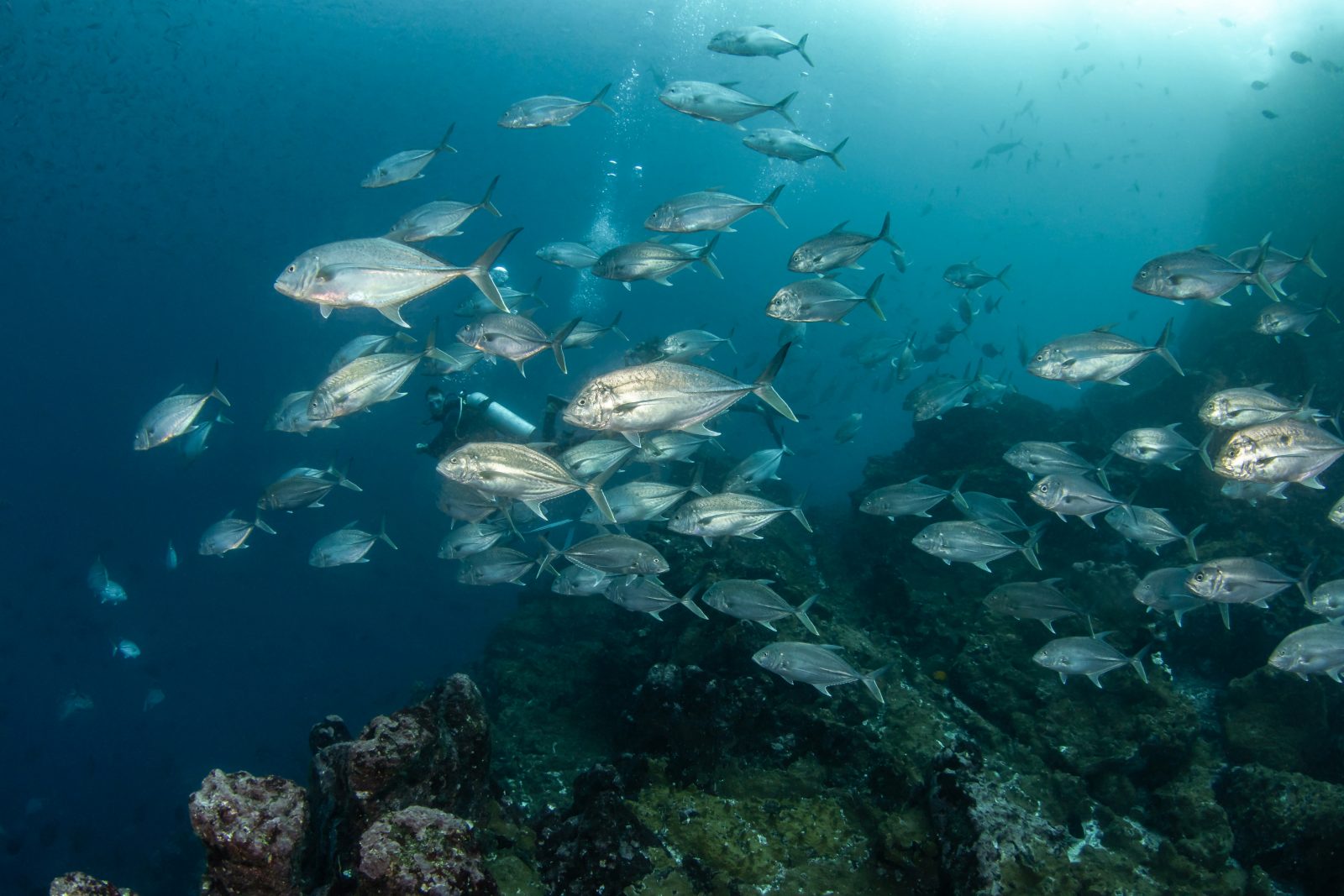
Topography & marine life: a rocky tongue and an underwater cave, with frequent passing rays and sharks. Schools of trevallies, fusiliers and unicornfish, and many crustaceans and shells.
Features & access: 35 minutes by boat. Often strong current. Site and boat ride exposed to southern swell and winds.
Best time to dive it: September to March.
Champ jaune
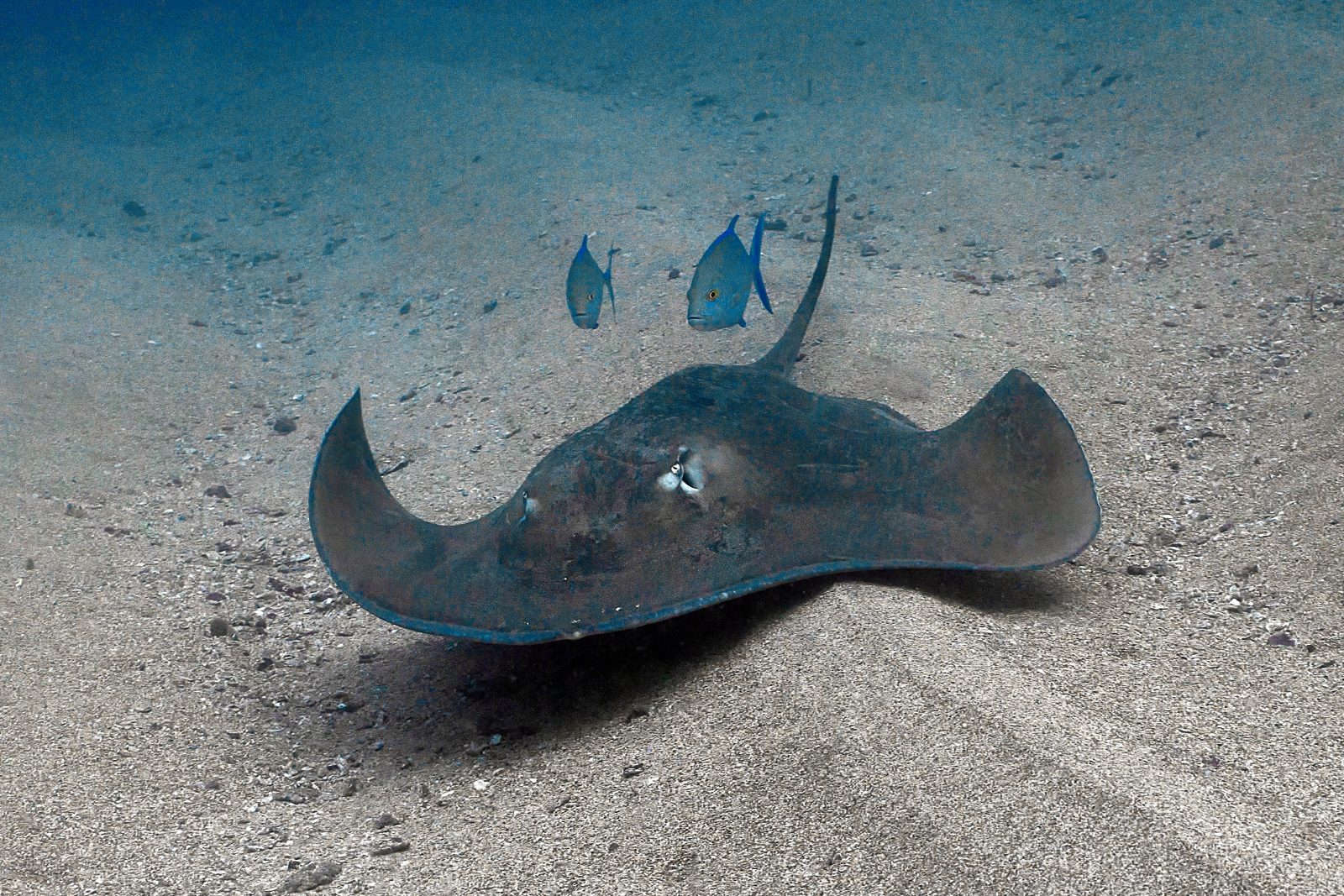
Topography & marine life: sandy bottom covered with reef blocks, with schools of bluestripe snappers and fusiliers, and many endemic species.
Features & access: 5 minutes by boat. An ideal site to discover scuba diving, learn in complete peace of mind, or simply enjoy a snorkeling trip.
And many more sites to discover…
Dives for all levels, in wild and preserved settings, at the heart of the marine riches of the Marquesas.